
Structural Stabilization & Foundation Underpinning
Permanent Solutions for Structural Instability and Foundation Movement
When a foundation begins to shift, settle, or lose load-bearing capacity, surface repairs are no longer enough. Structural stabilization and foundation underpinning are required when a home’s foundation can no longer support the weight of the structure above it. These services are designed to permanently reinforce the foundation, transfer loads to stable soil or bedrock, and stop further movement.
Trust Foundation Repair provides professional structural stabilization and underpinning services for homes experiencing advanced foundation problems. Our approach focuses on correcting instability at its source, restoring structural integrity, and preventing recurring damage.
Understanding Structural Foundation Instability
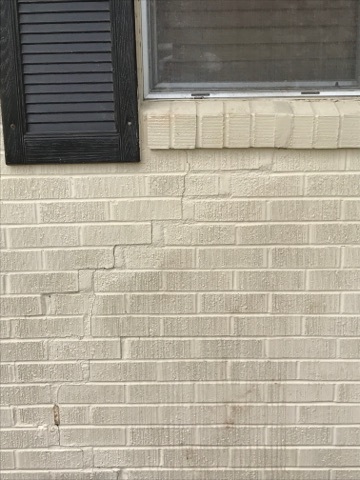
Structural instability occurs when the soil beneath a foundation can no longer support the structure consistently. This often results from expansive clay soils, erosion, long-term moisture imbalance, or poor original construction. As soil shifts or compresses, sections of the foundation begin to settle unevenly, creating stress throughout the structure.
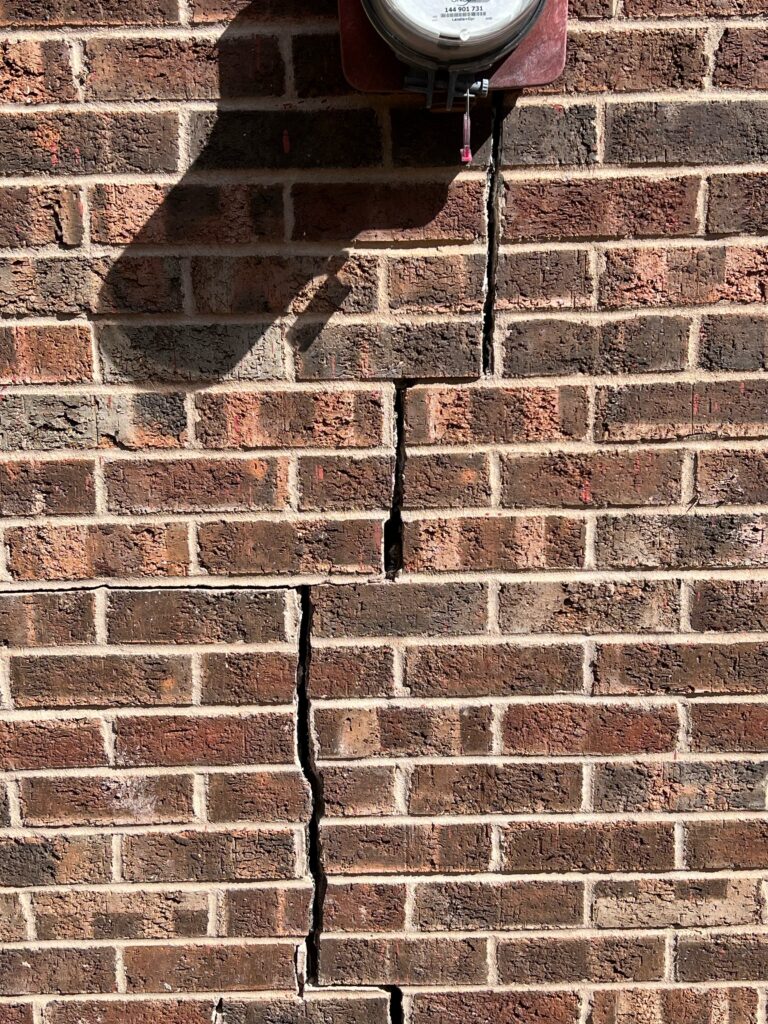
Over time, this stress manifests as widening cracks, sloping floors, separating walls, and compromised load paths. Without stabilization, foundation movement typically worsens, leading to increased repair costs and potential safety concerns. Structural stabilization addresses these issues by reinforcing the foundation and restoring proper load transfer.
What Foundation Underpinning Accomplishes
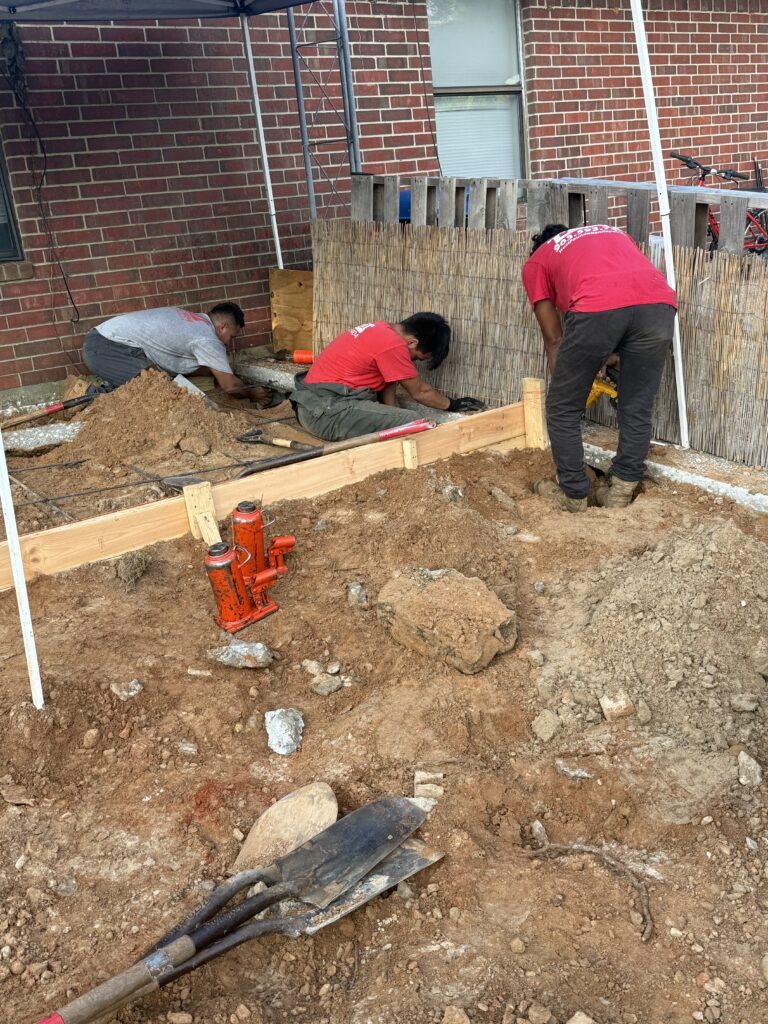
Foundation underpinning is the process of strengthening an existing foundation by extending its support deeper into stable soil layers. This is accomplished through engineered support systems designed to bypass unstable surface soils and anchor the structure securely.
Underpinning not only halts ongoing movement but also restores structural balance. By redistributing weight to reliable bearing strata, underpinning systems protect the foundation from future soil expansion, contraction, and settlement.
When Structural Stabilization Is Necessary
Not all foundation issues require underpinning, but certain conditions indicate that stabilization is essential. Homes with significant settlement, recurring cracking after previous repairs, or measurable elevation loss often require structural intervention. Structures experiencing uneven load distribution or compromised support components are also candidates for stabilization.
A professional evaluation determines whether stabilization is needed and what type of underpinning system is appropriate. Trust Foundation Repair bases every recommendation on structural conditions, soil behavior, and long-term performance, not one-size-fits-all solutions.
Types of Structural Support Systems
Structural stabilization involves the installation of engineered support systems that reinforce the foundation. These systems are selected based on foundation type, depth requirements, soil conditions, and structural load.
Support systems are designed to integrate with the existing foundation, providing permanent reinforcement without compromising structural integrity. Proper installation ensures that loads are transferred evenly and that movement is corrected gradually to prevent damage to the structure above.
The Structural Stabilization Process
Structural stabilization begins with a detailed evaluation of the foundation and surrounding soil conditions. Measurements are taken to identify settlement patterns, load concentration areas, and points of structural weakness. This information guides the design and placement of stabilization systems.
Installation is performed with precision to minimize disruption while achieving maximum structural benefit. Adjustments are made gradually to protect framing, walls, and finishes. Throughout the process, stability and alignment are carefully monitored to ensure long-term performance.
Preventing Future Foundation Movement
One of the primary goals of structural stabilization is preventing future movement. Underpinning systems are designed to perform under changing soil conditions, reducing the impact of seasonal moisture fluctuations and soil expansion.
In addition to reinforcing the foundation, stabilization often includes addressing contributing factors such as drainage deficiencies or moisture imbalance. Correcting these conditions helps preserve the effectiveness of the stabilization system and protects the structure over time.
Structural Stabilization vs. Temporary Repairs
Temporary foundation repairs may reduce visible symptoms but often fail to address underlying instability. Cosmetic crack repairs or surface-level adjustments can mask deeper issues, allowing movement to continue unnoticed.
Structural stabilization provides a permanent solution by reinforcing the foundation at its load-bearing points. This approach eliminates the need for repeated repairs and provides long-term protection for the home’s structural framework.

Benefits of Professional Foundation Underpinning
Properly installed underpinning systems restore confidence in a home’s structural integrity. Stabilization reduces ongoing damage, improves floor alignment, protects load-bearing components, and preserves property value. In many cases, underpinning also improves inspection outcomes for real estate transactions.
Professional stabilization ensures that repairs are engineered for durability rather than short-term appearance. This distinction is critical for homeowners seeking lasting solutions rather than recurring problems.
Why Trust Foundation Repair for Structural Stabilization
Structural stabilization requires experience, technical knowledge, and precision. Trust Foundation Repair brings proven expertise in diagnosing foundation instability and implementing effective underpinning solutions. Our team understands how soil behavior, foundation design, and structural load interact over time.
We approach stabilization projects with a focus on accuracy, safety, and long-term performance. Every system is selected and installed based on the specific needs of the structure, ensuring reliable results without unnecessary intervention.
Schedule a Structural Stabilization Evaluation
If your home shows signs of serious foundation movement, Trust Foundation Repair can provide the professional evaluation needed to determine whether structural stabilization is required. Early intervention protects your home from escalating damage and costly repairs.
Contact Trust Foundation Repair today to schedule a structural stabilization and underpinning evaluation and take the first step toward restoring long-term foundation stability.